
Exploring the psychology behind casino gaming strategies
The Allure of Gambling: Understanding Player Motivation
The psychology behind casino gaming strategies is deeply rooted in the allure of chance and the thrill of risk. Many players are drawn to casinos not just for the potential financial reward, but for the excitement and adrenaline that come with placing bets. In fact, joining a community like the best boxing gym can enhance one’s confidence and focus, helping to manage the risks associated with gambling. This experience is often heightened by the concept of ‘near misses’—a psychological phenomenon where players perceive they were close to winning, which can lead to continued gambling. This sense of anticipation is a powerful motivator, causing players to return even after significant losses.
Furthermore, social factors play a significant role in gaming behavior. Casinos are designed to be inviting and often foster environments where players feel a sense of belonging. This communal aspect can enhance the enjoyment of gambling, making it more than just a solitary activity. Understanding these motivations is crucial for both players and casino operators, as it shapes gaming strategies and influences overall engagement.
The Role of Cognitive Biases in Gaming Decisions
Cognitive biases significantly impact how players make decisions in gambling environments. One common bias is the ‘gambler’s fallacy,’ where individuals mistakenly believe that past events can influence future outcomes in games of chance. For instance, a player might think that a slot machine is ‘due’ for a payout after a series of losses. This flawed reasoning can lead to poor financial decisions, as players may increase their bets in hopes of a forthcoming win.
Another relevant bias is the ‘availability heuristic,’ which suggests that people assess the probability of events based on how easily examples come to mind. If a player witnesses a big win at a table, they might overestimate their own chances of winning, leading to greater participation. Recognizing these biases is essential in understanding how gaming strategies are formed and why they often deviate from logical decision-making.
Strategies to Enhance Winning Potential: Skills vs. Luck
While luck is undeniably a significant component of casino games, many players employ strategies that they believe can enhance their chances of winning. Games like poker and blackjack require a certain level of skill, strategy, and psychology in understanding opponents. Players often rely on mathematical probabilities and psychological insights to make informed decisions that could potentially improve their odds.
On the other hand, games of pure chance, such as roulette or slot machines, are less about skill and more about luck. Yet, players still devise betting strategies, such as the Martingale system, which involves doubling bets after losses to recoup previous expenditures. Understanding the limitations of these strategies can help gamblers maintain a more realistic approach to their gaming experience.
The House Edge and its Psychological Impact
The concept of the ‘house edge’ is crucial in casino gaming, representing the mathematical advantage that casinos have over players. This edge is often masked by the excitement of playing, leading players to underestimate their likelihood of losing over time. The psychological impact of this knowledge can deter responsible gaming practices, as many players focus solely on potential jackpots rather than the odds stacked against them.
Moreover, casinos utilize various techniques, such as ambient sounds, lighting, and layout designs, to create an immersive experience that can distract players from the reality of their losses. By understanding the psychological tactics employed by casinos, players can equip themselves with the knowledge needed to make more informed choices and engage in responsible gambling practices.
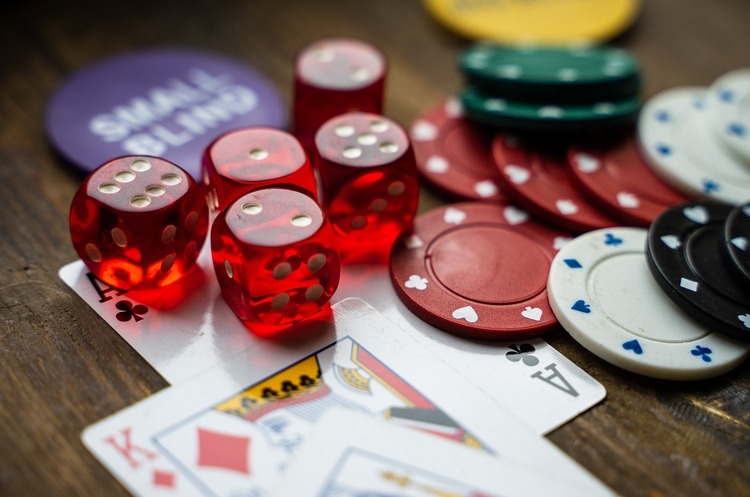
A Closer Look at Casino Culture and Community
The culture surrounding casinos is unique and can significantly influence players’ strategies and experiences. Many people view casinos as social hubs where they can gather with friends or meet new people, enhancing the appeal of gaming activities. This communal aspect often leads to a culture of sharing strategies and tips among players, further influencing individual gaming approaches.
Additionally, the presence of loyalty programs and rewards can create a sense of investment in the casino’s success, encouraging players to adopt specific gaming strategies in hopes of maximizing their benefits. As casinos evolve, understanding this community dynamic will be essential for both gamers and operators alike, paving the way for a more engaging and responsible gaming environment.
ABOUT INSTRUCTOR
